Title
The natural and directed evolution of the molecular toolkit of stem cells
Date & Place
About the event
SOX, OCT and KLF are pioneer transcription factors that control cell identity and can direct cell-lineage conversion, including the generation of induced pluripotent stem cells (iPSCs). We investigate both the evolutionary origins and the engineering potential of this molecular toolkit of stem cells. Our work showed that the evolutionary roots of SOX and OCT/POU factors predate animal multicellularity: an ancestral SOX protein, more than 700 million years old, can functionally replace mammalian SOX2 during pluripotency reprogramming. Guided by sequence analysis, structure-based design and directed evolution in mammalian cells, we redesign SOX, OCT and KLF factors to control cell fate more efficiently. These variants display altered molecular interactions, improved chromatin access and enhanced gene activation. For example, engineered SOX17 (eSOX17) accelerates pluripotency induction across species and promotes cell states with features of totipotency. Further, eSOX17 directly converts human blood cells into induced neural stem cells, bypassing pluripotency. These cells retain aspects of donor age, revealing amyotrophic lateral sclerosis-associated phenotypes that are obscured after pluripotent reprogramming. I will discuss how protein and cell engineering can illuminate mechanisms of ageing-associated disease, rejuvenate cells and provide a testbed for therapeutic intervention.
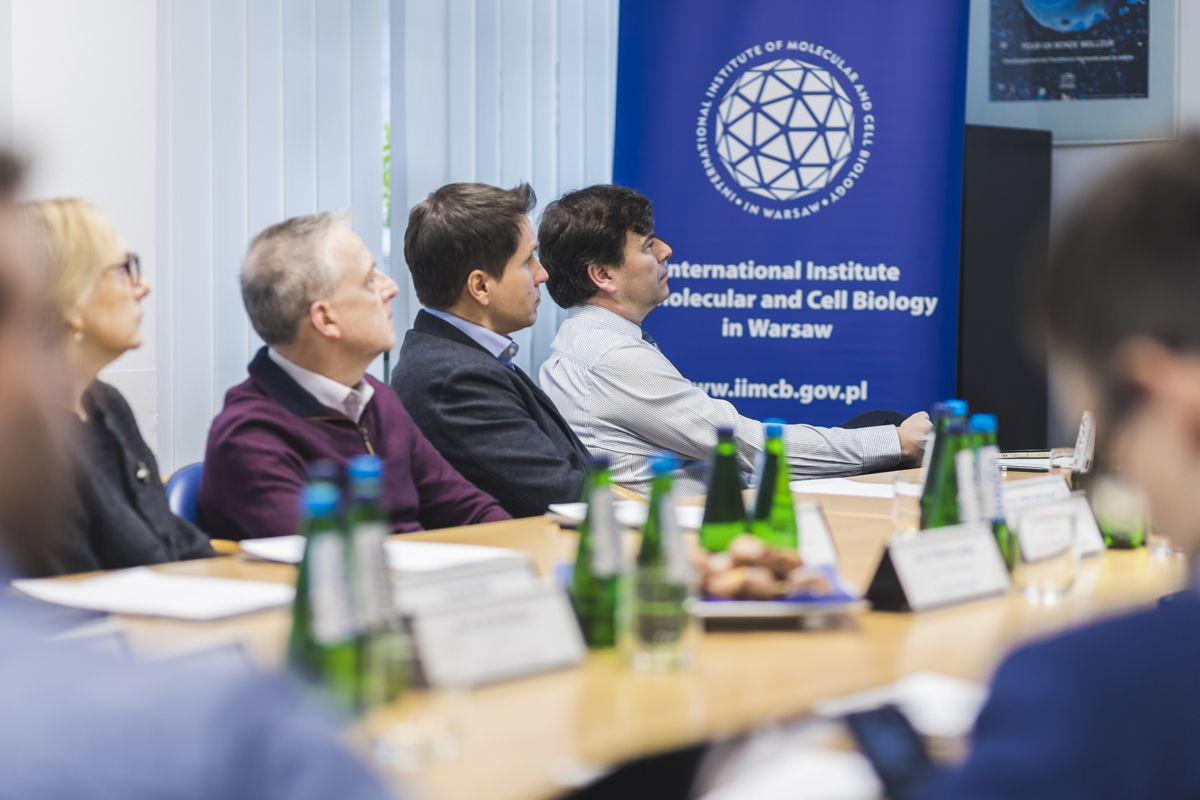
Speaker

Prof. Ralf Jauch
RACE project: RNA and Cell Biology – from Fundamental Research to Therapies
Funded by the European Union. Views and opinions expressed are however those of the author(s) only and do not necessarily reflect those of the European Union or the European Research Executive Agency. Neither the European Union nor the granting authority can be held responsible for them.