Title
Bunyaviral polymerases – structures, mechanisms, and inhibition
Date & Place
About the event
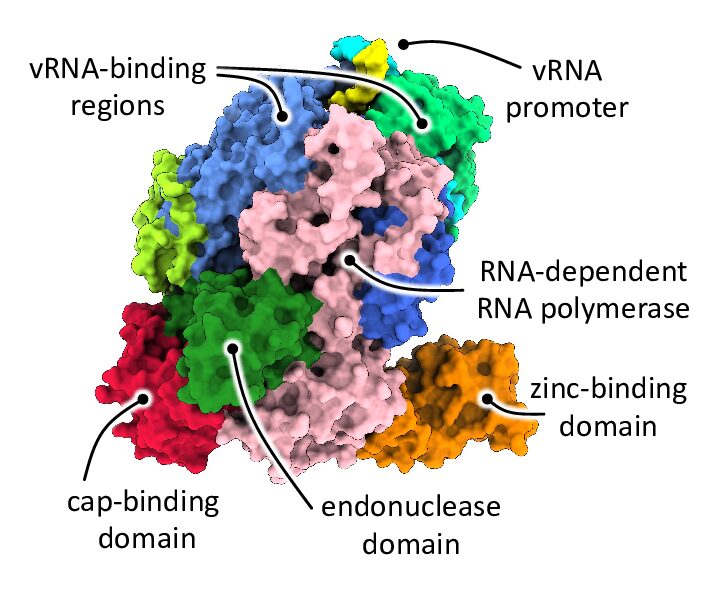
Bunyaviral negative-strand RNA genome segments are coated and protected by nucleoproteins (NPs) and associated with the viral RNA-dependent RNA polymerase (L protein; one per segment). Together, the RNA segments, NPs, and L proteins form viral ribonucleoprotein complexes (vRNPs), which, upon release into the cytoplasm of an infected cell, transcribe and replicate the viral genome. During my talk, I will cover the structures and molecular mechanisms of bunyaviral L polymerases. I will discuss the orthobunyaviral transcription termination mechanism, which is regulated by genomic template motifs and mRNA elements, as well as the nature of the non-polyadenylated 3′ UTR and its role in translation. Finally, I will address current and potential strategies for inhibiting bunyaviral polymerases.
Speaker

Dr Piotr Gerlach
This event is a part of RACE Project: RNA and Cell Biology – from Fundamental Research to Therapies and is funded by the European Union. Views and opinions expressed are however those of the author(s) only and do not necessarily reflect those of the European Union or the European Research Executive Agency. Neither the European Union nor the granting authority can be held responsible for them.